
Speaking Explained
What is the main speaker at a conference called?
The main speaker at a conference is called the keynote speaker. The keynote is the session the whole event attends together, usually on the main stage, and its job is to set the theme that the rest of the agenda builds on.
Where the word comes from
The term is borrowed from music, where the keynote is the note a key is built on. Every other note in the piece is heard in relation to it. A keynote address does the same job for an event: it sounds the idea that the other sessions are heard against.
Merriam-Webster’s entry for keynote address describes a speech that presents the issues of primary interest to an assembly and often aims to build unity and enthusiasm, and its entry for keynote speaker defines the person simply as the one who delivers it. That older, convention-hall meaning still fits. The keynote is the speech that tells a gathering what it is gathered about.
What the keynote speaker actually does
In practical terms, the keynote speaker has a short list of responsibilities that no other speaker on the program shares:
- Speaks to everyone at once. No competing sessions are scheduled against a keynote. It is the shared experience of the event.
- Sets or closes the theme. An opening keynote frames what attendees should look for in the sessions that follow. A closing keynote pulls together what they heard and sends them home with it.
- Carries the room’s energy. The keynote is often the first thing people experience at the event, and it shapes how they walk into everything after it.
- Gives the event a reference point. In a good conference, later speakers and hallway conversations keep returning to something the keynote said.
What a keynote speaker does not do is teach a detailed skill. A main-stage audience is too large and too mixed for that. Depth belongs in the smaller sessions.
Other names for the main speaker
Programs use several terms, and they overlap:
- Headliner or featured speaker: informal terms for the best-known name on the bill, usually the keynote.
- Plenary speaker: common at academic, medical and association meetings. A plenary session is one that all attendees are expected to attend, so a plenary speaker fills the same role as a keynote. Some events hold several plenaries and name only one of them the keynote.
- General session speaker: the term corporate and association planners often use on a run of show. General session means the full audience in the main room.
- Opening keynote and closing keynote: the same role at either end of the event.
- Guest of honor: a ceremonial title, sometimes given to a person who also speaks, but not a speaking role in itself.
If you are searching for a speaker and are unsure which word to use, “keynote speaker” is the one speakers and planners will understand everywhere.
How the keynote differs from everyone else on the agenda
A conference program has several kinds of speaking roles. Knowing which is which makes it much easier to brief people correctly.
- Breakout speakers present to one track or one room while other sessions run alongside. Attendees choose which to attend. The content is narrower and more practical.
- Workshop leaders run working sessions where attendees practice something. A workshop is measured by what people can do afterward, not by how the talk felt.
- Panelists share a session and respond to a moderator’s questions. A panel is a conversation, and nobody on it carries the theme alone.
- The moderator guides a panel or a question period and keeps it on time.
- The emcee or host runs the whole event from the stage: welcomes, introductions, transitions and housekeeping. The emcee introduces the keynote speaker but is a separate role.
- Internal presenters are executives or staff delivering company or association business. For how that role compares, see corporate presenter vs. keynote speaker.
Where the main speaker sits in the agenda
Can there be more than one?
Yes. “Main speaker” suggests a single person, but plenty of conferences have an opening keynote and a closing keynote, and multi-day events commonly schedule one for each morning. Some add a lunch or dinner keynote as well.
When there are several, they are usually given different jobs. The opener gets the theme and the energy. The closer gets the summary and the send-off. A keynote in the middle of the event often carries the most substantial content, because the audience has settled in. If you are programming more than one, give each speaker a distinct assignment so they do not all deliver the same message in different words.
How events choose their keynote
Organizers generally pick a keynote for one of a few reasons, and it helps to know which one applies to your event:
- Draw. A recognizable name sells registrations. The trade-off is cost, and sometimes a talk only loosely related to the audience.
- Authority. A leading figure in the field gives the event credibility with its own community.
- Experience. A practitioner who has done what the audience is trying to do offers a message people can apply. This is the kind of keynote I give: the material comes from running companies that are still operating, not from a career spent on stages.
- Lift. Some events want the room to leave energized above all else, which points toward motivational speaking.
None of these is the correct reason. The mistake is choosing for one and expecting another, such as hiring for draw and then being disappointed that the talk was not tailored.
Scenario: Picture a regional industry conference with a tight budget and a theme about adapting to change. The committee debates stretching for a well-known author. Instead it books a business owner from the same industry who rebuilt a company after losing its largest customer, and gives her the opening slot with a clear brief: tell that story, then name the questions attendees should carry into the breakouts. Nobody registered because of her name. But the breakout speakers refer back to her session all day, which is what an opening keynote is for.
What the keynote is not
A few common confusions are worth clearing up.
The keynote is not the longest session by rule, though it is often given a generous slot. It is not a product pitch, even when the speaker has something to sell. Audiences resent a main stage used that way. It is not the welcome address from the organization’s president, which is its own item on the agenda. And it is not necessarily delivered in person: a virtual keynote fills the same role for a remote or hybrid event.
What to tell a keynote speaker before the event
A keynote can only set the theme if the speaker knows what the theme is. Organizers sometimes book the main speaker early, send a logo and a date, and say nothing more until the sound check. The result is a capable talk that could have been given anywhere.
Before the event, give your keynote speaker:
- The theme in a sentence, and why it was chosen this year
- Who is attending, by role and experience
- The sessions that follow, so the keynote can point toward them
- Anything the audience is worried about that is not printed in the program
- The exact slot, and what happens immediately before it
A speaker who takes the role seriously will ask for most of this. If yours does not ask, offer it anyway.
If you have been asked to find one
Being told to “find a main speaker” usually means the theme, the audience and the budget have not been written down yet. Do that first. A paragraph on who will be in the room, what the event is about and what you want people to do afterward will make every conversation with a speaker shorter and more useful.
From there, the process depends on the kind of event. For company events, start with how to choose a speaker for a large corporate event. For member organizations, see how to find speakers for trade associations. To see what a full keynote looks like before you brief anyone, mine is on the watch page, unedited and with the audience questions left in.
When you are ready to talk to speakers, the meeting planners page explains what I need from an organizer and what you can expect from me, and you can check a date here.
A main-stage keynote, start to finish
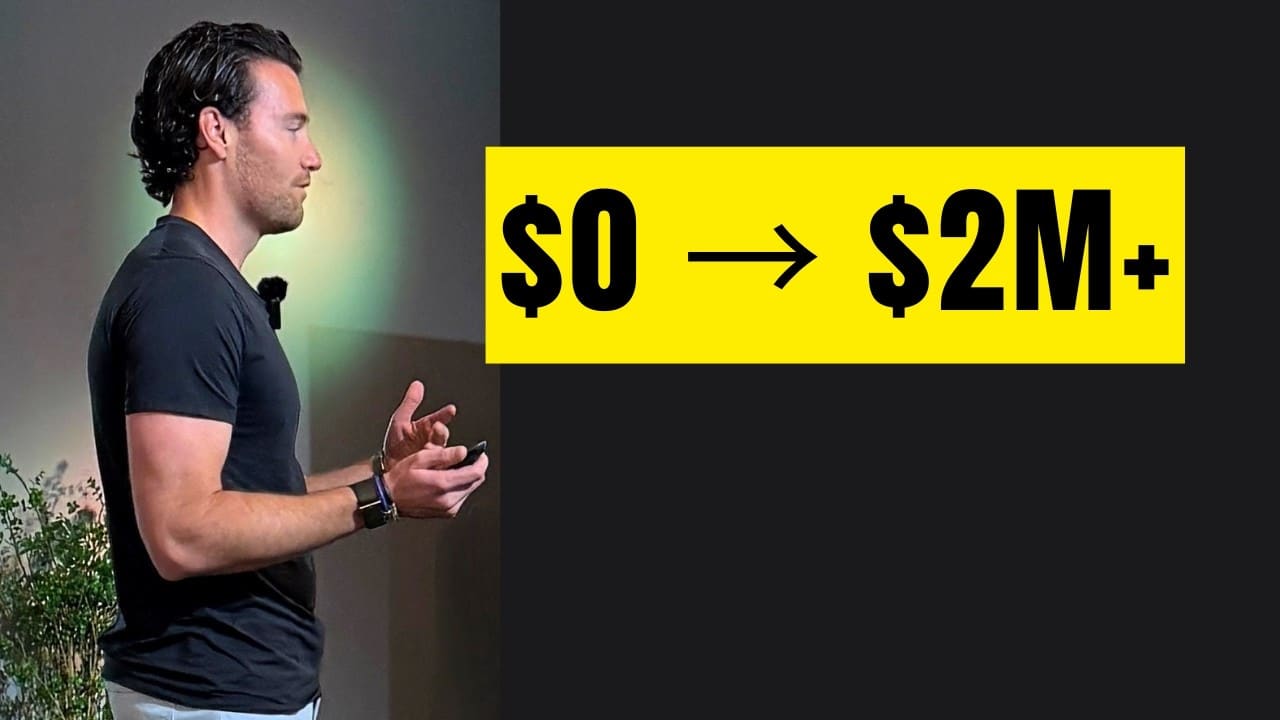
If you have never programmed a keynote, it helps to watch one end to end. This is Nate’s full session from Launch Fishers, with the audience Q&A left in.
The bottom line
The main speaker at a conference is the keynote speaker: the one session everyone attends together, chosen to set the theme that the rest of the agenda develops.
Frequently asked questions
What is the main speaker at a conference called?
The main speaker at a conference is called the keynote speaker. You may also see headliner, featured speaker, plenary speaker or general session speaker. All of them describe the person who addresses the whole event at once rather than a single track or room.
What is the difference between a keynote speaker and a guest speaker?
A guest speaker is anyone invited from outside the organization to speak, in any slot. A keynote speaker holds the specific main-stage slot that sets the theme for the event. Every outside keynote is a guest speaker, but most guest speakers are not the keynote.
Can a conference have more than one keynote speaker?
Yes. Many conferences have an opening keynote and a closing keynote, and multi-day events often schedule one for each day. What makes a session a keynote is that the whole audience attends it together, not that there is only one of them.
Is the keynote speaker the same as the emcee?
No. The emcee, or host, runs the event: introducing sessions, keeping time and handling transitions. The keynote speaker delivers one substantial address. Some events ask one person to do both, but they are different jobs and most professionals specialize in one.
Does a keynote speaker have to be famous?
No. A well-known name can sell registrations, but the role only requires someone who can hold the whole room and deliver a message that fits the theme. Many conferences choose a practitioner from their own field because the audience trusts the experience more than the name.