
Speaking Explained
How much does a keynote speaker cost? What actually drives the fee
What a keynote speaker costs depends on who the speaker is and what your event asks of them. Demand and profile set the starting point. Travel, the format and length, how much custom preparation is involved, how the session will be recorded or reused, and the date all move the number. That is why most working speakers quote per event, and why the fastest way to a real figure is to send a speaker your specifics and ask.
This post explains what drives the fee so you can budget sensibly and have a better conversation with any speaker you consider. It does not list prices, because any figure here would be wrong for most events.
The factors that drive a keynote fee
Demand and profile
A speaker with a national name, a bestselling book or a celebrity background is priced on that profile, and their calendar is often booked far ahead. Working practitioners, people who run businesses and speak, are usually priced on the work itself. Neither is automatically better; they serve different goals.
Travel and time away
An in-person keynote can take one or more days once travel is included. Events that need a flight, a connection, or an overnight stay cost more in time than an event a short drive away. Many speakers also bill travel expenses separately.
Format and length
A single keynote is one job. A keynote plus a breakout, a workshop, or a dinner with leadership is more work and is priced accordingly. A half-day session is a different engagement from an hour on the main stage.
Customization
A talk delivered largely as written takes less preparation than a session built around your theme, your industry and your leadership’s goals. Briefing calls, research and tailored examples are worth paying for when the event needs them.
Recording and reuse
If the event will livestream the session, post it publicly, or use it in training afterward, many speakers price that separately. Settle it before signing.
Date and season
Popular conference seasons and short-notice requests can affect availability and terms. Flexible dates sometimes help.
What moves the fee
How to budget before you have quotes
- Start with the goal. Decide what the session must accomplish, then decide what that is worth to the event.
- Separate the fee from expenses. Budget travel, lodging and audiovisual costs on their own lines.
- Plan for recording. If you want the session posted or reused, include it in the ask.
- Ask early. More lead time means more choice and more room to work out terms.
How to ask a speaker about fees
Send the date, the city, the audience, the format and the length in your first message, and say whether you want the session recorded. If you have a budget, state it. Speakers can tell you quickly whether the numbers work, and an honest budget saves both sides time.
Ask what the fee includes: preparation calls, customization, travel, a book signing or extra sessions. Get the answer in writing.
Bureau or direct?
Speakers represented by a bureau are often booked through it, and the bureau’s role is part of the arrangement. Many working practitioners book directly. Either way, the questions above apply.
How I handle fees
I quote every engagement individually rather than publishing a rate card, because an hour on a main stage nearby and a multi-session program across the country are different jobs. When you send your event details, the reply includes a fee for your specific event. The meeting planners page explains how booking works, and the guide to questions to ask a keynote speaker before you book covers what else to settle.
Before you ask, watch the full keynote so you know exactly what you would be buying.
Judge what you would be paying for
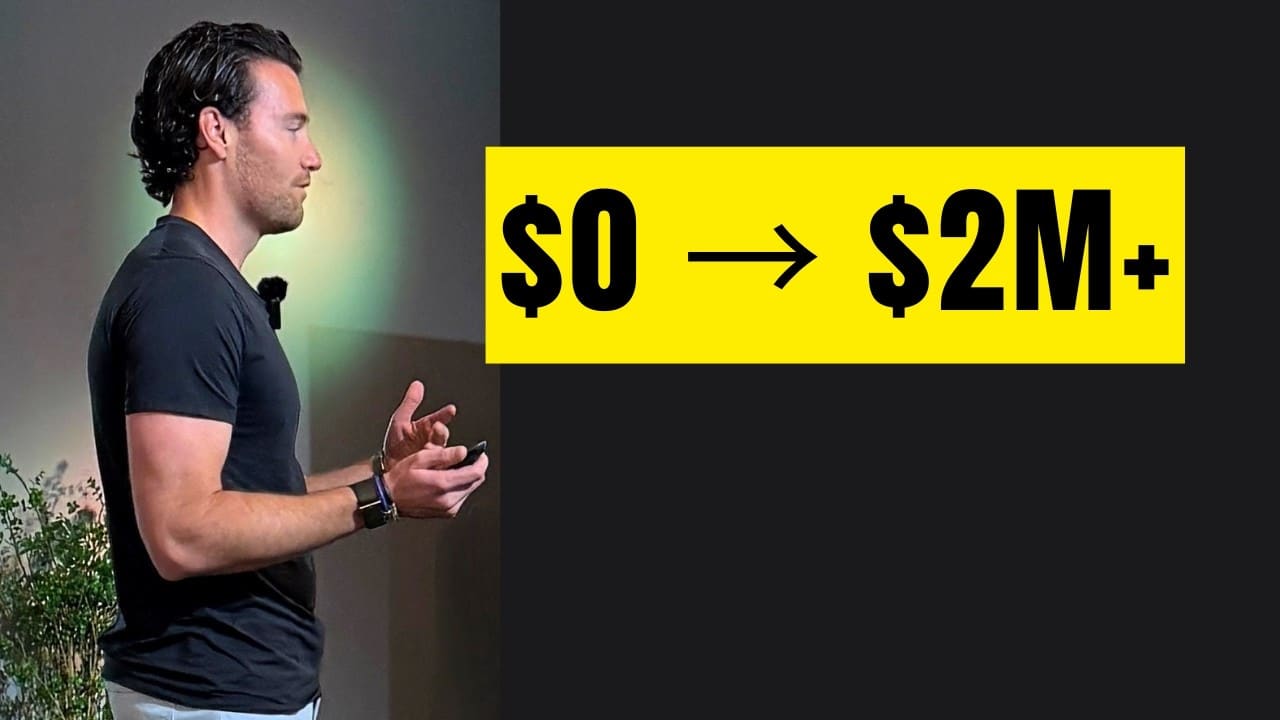
A fee only makes sense next to the session it buys. Watch Nate’s complete keynote, unedited, before you ask what it costs.
The bottom line
A keynote speaker’s fee depends on demand, travel, format, customization, recording rights and timing, so the fastest way to a real number is to send a speaker the specifics of your event and ask directly.
Frequently asked questions
Why do keynote speaker fees vary so much?
Fees reflect demand for the speaker, their profile, the travel involved, how much custom preparation the event needs, how the content will be recorded or reused, and the date. Two speakers with similar talks can quote very differently because of those factors.
What costs besides the speaking fee should I budget for?
Travel and lodging, ground transportation, any audiovisual needs, and sometimes a separate charge for recording or extended use of the content. Clarify in writing what the fee includes.
Do speakers offer different fees for nonprofits or associations?
Some do and some do not. Associations and nonprofits often work with tighter budgets, and many speakers will discuss it if asked directly at the start. It never hurts to state your budget honestly.
Is a virtual keynote cheaper than an in-person keynote?
Often, because there is no travel and less time away. A virtual session should still be designed for the format rather than being a scaled-down version of the in-person talk.
Why don’t some speakers publish their fees?
Because the fee depends on the event. A published number either overcharges a simple engagement or undercharges a complex one. Speakers who quote per event are usually trying to price fairly for the specific job.