
Booking Guides
Insurance conference speakers: how to pick a keynote for an agency or carrier event
The keynote that lands at an insurance conference is almost always delivered by someone the room recognizes as one of its own: a person who has sold policies, read loss runs, argued with an underwriter, or run an agency through a hard market. Insurance audiences are skeptical by training. Give them a speaker who knows the business, brief that speaker on what the industry is wrestling with this year, and the main stage does its job.
This guide is for the planner who has been handed the keynote slot at an agency meeting, a carrier event, a state association convention or a cluster meeting, and wants to get it right.
Know which insurance room you are programming
“Insurance conference” covers very different audiences, and the right speaker depends on which one you have.
- Agency owners and principals. They want growth, valuation, hiring, and how to compete. They have heard every pep talk.
- Producers. They want to know how to get in front of more prospects and close more of them. They respect people who still sell.
- Account managers and service teams. They want to feel the work matters, and they want practical ideas for retention and workload.
- Carrier staff. Underwriters, marketing reps and claims professionals want to understand how agencies think, what distribution looks like now, and where the business is going.
Most conferences mix these groups. Decide which one the keynote is primarily for, and tell the speaker. A session aimed at everyone tends to reach no one.
What insurance audiences reward
Specifics over slogans
Insurance people work in detail. Coverage forms, exclusions, appetite guides and commission schedules are their daily material. A speaker who stays at the level of “find your why” loses them quickly. A speaker who explains how they actually built a book of business, what it cost and what went wrong keeps them.
Credibility they can check
An audience of licensed professionals will look a speaker up. If the speaker claims a designation, it should be verifiable with the issuing organization. If the speaker claims to run an agency, the agency should exist and be easy to find. This is not a hurdle for a real insider; it is an advantage.
Respect for the independent channel
At agency events especially, attendees want a speaker who understands the independent model: multiple carriers, ownership of the relationship, the tension with direct writers. A keynote that treats agents as a sales force for someone else misreads the room.
Questions to ask candidate speakers
Use these on the first call. The answers separate insiders from presenters who have learned the vocabulary.
- What is your role in the insurance business today, day to day?
- What did you change in your agency or team in the past year because something stopped working?
- How would you adjust the talk for a room of carrier staff versus a room of agency principals?
- What part of your message would a veteran producer push back on?
- Will you take open questions from the floor?
The last question matters more than it looks. Insurance audiences ask sharp questions, and a speaker who welcomes them is usually a speaker who has real answers.
Matching the keynote to the insurance room
Brief the speaker on the year the room is having
Insurance moves in cycles, and the mood of a conference depends on where the market is. In a hard market, agencies are fighting renewals, explaining increases to clients and watching carriers pull appetite. In a softer market, the pressure shifts to growth and competition. A speaker who arrives without knowing which conversation the room is in will misjudge the tone.
Send the speaker a short brief:
- The theme of the event and why it was chosen.
- The two or three issues attendees are talking about in the hallways.
- What the previous keynote covered, so the material does not repeat.
- Anything sensitive, such as a merger, a carrier exit, or a difficult year for the association.
Avoid the common mistakes
- Booking a motivational name with no industry tie for the main stage. It can work for an evening slot. On the main stage, agents tend to wish they had heard from someone who does what they do.
- Letting a vendor keynote. A sponsor can teach in a breakout. The keynote should never turn into a product pitch.
- Ignoring the carrier side of the room. If underwriters and marketing reps attend, a talk that treats carriers as the enemy makes half the room defensive.
- Skipping the question period. Insurance audiences learn the most in the unscripted part.
Where I fit
I am a commercial insurance agency owner. I worked as an underwriting manager and a risk management consultant before co-founding my agency, I hold the CPCU designation, and I still work accounts. My insurance industry talk is built from that: how an independent agency gets attention without cold calling, how it pays producers, and how it grows without losing the service that made clients stay. The keynote page covers the main-stage version, and the full keynote is posted unedited so you can judge it before you call.
If you are programming a state association event specifically, the guide to choosing a keynote for an insurance agents association convention goes deeper on that room. When you have a date, send it here.
An insurance founder’s keynote, unedited
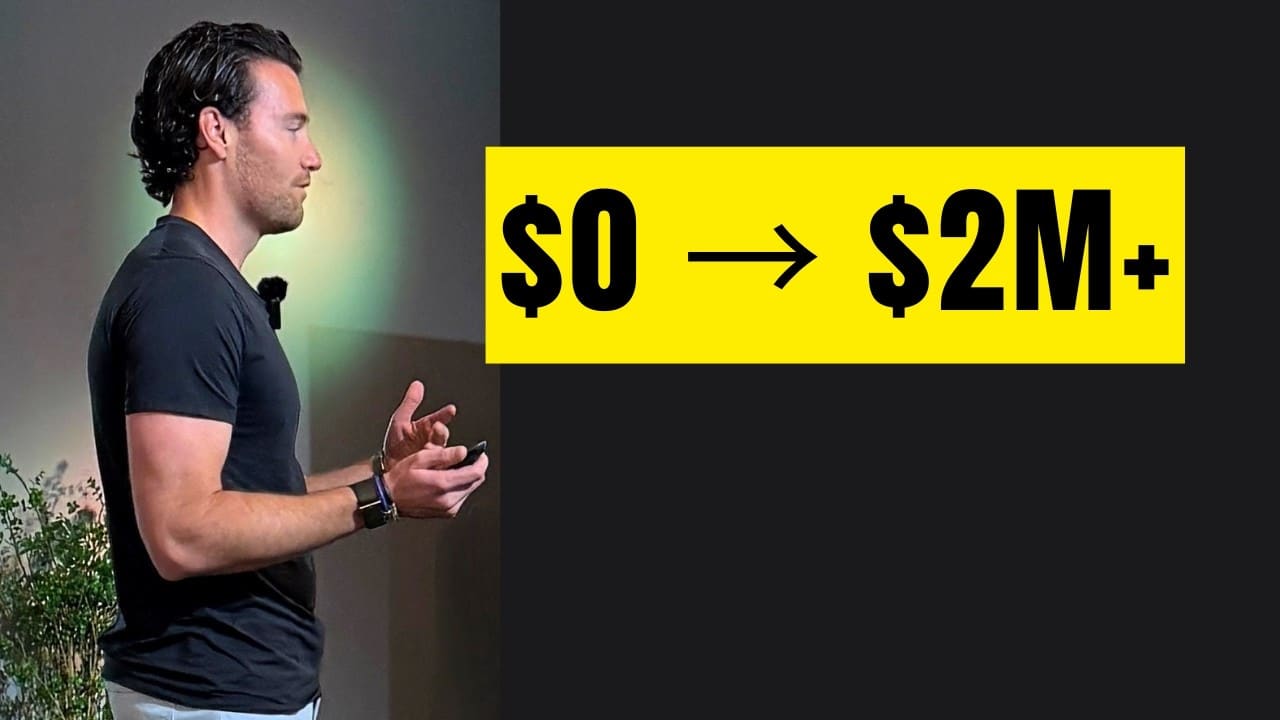
The best way to judge an insurance conference speaker is to watch a full session. This is Nate’s complete Launch Fishers keynote on building an independent agency, including the audience questions.
The bottom line
Pick an insurance conference keynote who has worked inside the business, brief them on what the room is living through this year, and judge them on what producers and owners will do differently afterward.
Frequently asked questions
What makes a good keynote speaker for an insurance conference?
Credibility inside the industry first, delivery second. Agents, underwriters and claims staff can tell within minutes whether a speaker understands how the business actually works. The strongest choices have sold, underwritten or run an agency, and they speak in the room’s vocabulary without explaining it.
Should an insurance conference book an industry insider or an outside motivational speaker?
It depends on the slot. An insider fits the main stage when the theme is growth, distribution or the future of the agency model. An outside speaker can work for an evening or closing slot built around energy. When in doubt, insurance audiences reward specifics over inspiration.
What topics do insurance agents want to hear about at a conference?
Growth without burning out the team, getting attention without cold calling, hiring and paying producers, specialty niches, and how independent agencies compete with direct writers and large consolidators. Talks that stay at the level of mindset tend to be forgotten by the next session.
How do I check an insurance speaker’s background?
Ask what they do today, not only what they did. Look up any designation they claim with the issuing body, and look at the producer license record in the state insurance department lookup. A speaker who works in the industry will expect the check.